
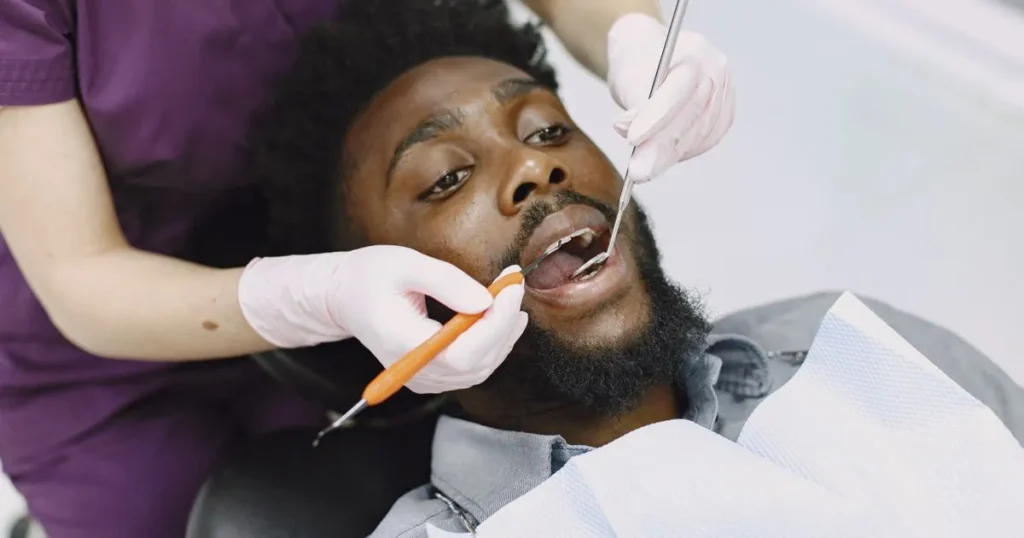
Borrow Money for Dental Work in Canada: 7 Smart Ways 2026
By Tony Freanisco, Personal Finance Writer at BorrowNow.ca · Published July 2, 2026 · Last updated July 19, 2026
Need to borrow money for dental work in Canada before a painful tooth turns into a bigger bill? BorrowNow.ca connects you with Canadian lenders who can approve a small dental loan promptly and send funds by Interac e-Transfer — often within hours. Most provincial health plans do not cover routine adult dentistry, so a filling, extraction, or root canal often comes straight out of pocket. When you have steady employment income, borrowing money for dental work is open to all credit types.
The quick version: If a dentist has quoted you for treatment you cannot delay, you can borrow money for dental work online in about 5 minutes, get matched with a lender, confirm your income with secure Instant Bank Verification (IBV) (read-only, ~60 seconds, no credit-score impact), and receive funds by Interac e-Transfer. Loans run $50 to $50,000, every loan is capped at 35% APR under Canadian law, and BorrowNow.ca is a lender-matching service, not a lender. Check free and lower-cost options first — the Canadian Dental Care Plan, a dental school, or an in-office payment plan may cost far less.
Apply to Borrow for Dental Work →
Can You Borrow Money for Dental Work in Canada?
Yes — you can borrow money for dental work in Canada, and many working households do exactly that when a dental bill lands before they have saved for it. Provincial plans like OHIP in Ontario or MSP in British Columbia cover almost no routine adult dentistry, so a cracked tooth, an abscess, or a broken filling usually means paying the dentist directly. Through BorrowNow.ca, the whole process is online: no branch visit, no faxing, and a decision in minutes.
The key is to treat it as a short bridge, not a long-term fix. Borrowing money for dental work makes the most sense when the treatment cannot wait and you know which paycheque will repay the loan. Dental problems rarely improve on their own — a small cavity ignored today can become a root canal or an extraction later — so covering the work promptly is often cheaper than waiting.
When Borrowing for Dental Work Makes Sense (and When It Doesn’t)
A dental loan is a tool, and like any tool it fits some jobs and not others. It makes sense when you face urgent or preventive treatment: an infection that needs a root canal, a broken tooth that needs a crown, or an extraction that will only get more expensive and more painful if you delay. In those cases, borrowing money for dental work now protects both your health and your wallet.
It does not make sense to borrow for purely cosmetic work you could plan and save for — whitening or elective veneers can wait until you have set money aside. The honest test: is this treatment your dentist says you need soon, and can you name the exact paycheque that repays the loan without leaving next month short? If yes, a bridge loan is reasonable. If the work is optional, or the total is far beyond what a small loan and your budget can handle, start with the payment plans and public programs below.
What Dental Work Actually Costs in Canada
Knowing the ballpark helps you decide how much to borrow money for dental work. Fees vary by province and by clinic, and every provincial dental association publishes a suggested fee guide, but rough Canadian ranges look like this:
| Amount | Typical term | APR range | Example total to repay* |
|---|---|---|---|
| $100 | 2–3 months | 19.99%–34.99% | $103–$106 |
| $300 | 3 months | 19.99%–34.99% | $313–$322 |
| $500 | 3–6 months | 19.99%–34.99% | $522–$547 |
| $1,000 | 6–12 months | 9.99%–34.99% | $1,051–$1,191 |
| $1,500 | 6–12 months | 9.99%–34.99% | $1,577–$1,787 |
*Illustration only — every lender in the BorrowNow network shows your exact APR, fees, and total repayment before you sign, and Canadian law caps consumer loan rates at 35% APR.
- Checkup, cleaning, and X-rays: roughly $200–$400 combined.
- A filling: about $150–$400 depending on size and material.
- A simple extraction: around $150–$300; surgical extractions cost more.
- A root canal: commonly $1,000–$1,500 for a molar, before the crown that usually follows.
- A crown: often $1,000–$2,500.
For a smaller procedure, a single loan of $50–$1,500 can cover the whole cost. For a larger treatment plan, borrowing money for dental work often covers the deposit, the first stage, or the gap your insurance or a payment plan leaves behind — you rarely need to finance the entire amount at once.

7 Ways to Borrow Money for Dental Work
There is more than one way to cover a dental bill, and you do not always need to borrow money for dental work at all. Here are seven, starting with the ones that pay out soonest — weigh speed against cost before you borrow money for dental work.
- A small online installment loan. The most direct route for most people: apply through BorrowNow.ca, get matched, verify income by IBV, and receive your funds by e-Transfer, often the same business day. You repay over a set schedule, all within the 35% APR cap.
- An in-office dental payment plan. Many Canadian dental offices split a treatment cost into monthly installments, sometimes interest-free. Always ask your dentist — this is often the cheapest way to spread a larger bill.
- A line of credit or overdraft. If your bank already gave you a small line of credit or overdraft, using it for a one-off dental bill is usually cheaper than a new loan — just watch the fees.
- A credit card. Paying the dentist on a card buys you until the statement due date interest-free. It only works if you can clear the balance soon; carried card debt is expensive.
- Third-party dental financing. Some clinics partner with health-finance companies for larger treatment plans. Read the rate carefully — promotional periods can end with a high APR.
- Borrowing from family. A short, clearly-agreed loan from someone you trust can be the cheapest option of all — put the repayment date in writing.
- A public or charitable dental program. The Canadian Dental Care Plan, dental schools, and community clinics (covered below) can cut the cost dramatically or cover it outright for those who qualify.
How to Borrow Money for Dental Work Online
Borrowing money for dental work through BorrowNow.ca is built to move promptly when treatment is booked and the bill is close. The four steps:
- Apply online in about 5 minutes with your basic details and the amount you need.
- Get matched with a lender in our Canadian network suited to your profile.
- Verify your income with IBV — a read-only, ~60-second bank connection that confirms your pay without a credit-score hit.
- Receive funds by Interac e-Transfer, frequently the same business day, so you can pay the clinic before or on the day of treatment.
Because everything is digital, you can borrow money for dental work from your phone in the dentist’s waiting room — no appointment and no paperwork to mail.

Who Can Borrow Money for Dental Work?
Eligibility is straightforward. To borrow money for dental work through BorrowNow.ca’s network, you generally need to be:
- At least the age of majority in your province and a Canadian resident
- Earning steady income from full-time or part-time employment
- Holding an active Canadian bank account with payroll deposits
- Reachable by phone and email for verification
Bad credit is considered. Lenders in the network weigh your current income and banking history through IBV more than your credit score alone, so a low score does not automatically rule you out. If your credit has taken some hits, our guide to a bad credit loan in Canada explains how income-based approval works.
Get Matched for a Dental Loan →
What It Costs to Borrow Money for Dental Work
Cost matters most when the loan is small, so read the numbers before you sign. Every loan arranged through BorrowNow.ca’s network is capped at the federal 35% APR criminal interest-rate limit, and the lender discloses your total cost of borrowing — the dollar cost, not just a rate — before you accept. There are no hidden fees on top.
The practical rule when you borrow money for dental work: keep the loan small and the term short. A $400 filling you repay over your next couple of paycheques costs only a few dollars in interest; the same $400 stretched over many months costs far more. Borrow the size of the bill, not the size of your approval. For a sense of amounts, see our pages on borrowing $500 online or $1,000 online in Canada.
A Real Dental Loan Example, Start to Finish
Picture Marc in Alberta. A back molar cracks over the weekend, and by Monday his dentist says it needs a root canal and a temporary crown — about $900 to save the tooth, and it should not wait. Marc does not have that in his account until payday on the 15th, so he decides to borrow money for dental work to cover it now.
At 8 a.m. he applies through BorrowNow.ca for $900, is matched with a lender, and completes IBV in under a minute. By early afternoon the funds land in his account by e-Transfer. He pays the clinic that day, keeps the tooth, and when his paycheque arrives on the 15th he repays the loan over the next two pay periods. Total interest: a modest amount — far less than an urgent extraction and an implant would have cost if he had waited. The loan did exactly one job: it moved $900 across a two-week gap so a fixable tooth stayed fixable.

Borrowing vs. a Dental Office Payment Plan
Before you borrow, it is worth asking your dentist about a payment plan — and knowing when each option wins. An in-office payment plan spreads a treatment cost over several months, sometimes interest-free, and many Canadian clinics offer one for larger work if you ask. That is almost always cheaper than a loan when the clinic will agree and you can start treatment on the plan.
A loan wins on speed and flexibility. If the clinic wants payment up front, does not offer a plan, or you need to see a specialist who bills on the day, borrowing money for dental work puts cash in your account today and lets you pay any provider directly. The smart play is to ask about a payment plan first, and borrow only for the deposit or the part the plan will not cover.
Free and Lower-Cost Alternatives to Try First
A loan should never be your first call for a dental bill. Before you borrow money for dental work, try these no-cost or low-cost options that can shrink the bill or erase it:
- The Canadian Dental Care Plan (CDCP). This federal program helps cover dental costs for eligible residents without private dental insurance and below an income threshold. If you qualify, it can pay a large share of routine and major treatment — check your eligibility before borrowing.
- A dental school clinic. University dental programs (for example at the University of Toronto, UBC, McGill, or Dalhousie) provide treatment by supervised students at a fraction of private-clinic fees. Appointments take longer, but the savings are large.
- Public and community dental clinics. Many public-health units and community health centres offer low-cost or sliding-scale dental care, especially for children, seniors, and low-income adults.
- Provincial assistance programs. Several provinces fund emergency or basic dental care for people on income assistance or with children — ask your provincial health line what you qualify for.
- Dial 211. The free, Canada-wide 211 service connects you to local dental-help and emergency programs in your area, day or night.
These programs are more generous than many people expect, and the rules and income limits change year to year, so confirm the current details for your province before you assume a loan is the only path. You can start with the Government of Canada’s overview of the Canadian Dental Care Plan. If none of these cover the treatment in time, a small, well-planned loan is a reasonable backstop — not the first move.
Frequently Asked Questions
How much can I borrow for dental work?
BorrowNow.ca’s network offers loans from $50 to $50,000. That covers many fillings, extractions, and the deposit or gap on larger treatment. For a bigger plan, combine a loan with an in-office payment arrangement and borrow only the shortfall.
Does provincial health insurance cover dental work in Canada?
Generally no. Plans like OHIP and MSP cover very little adult dental care, so routine treatment is usually paid out of pocket. The federal Canadian Dental Care Plan may help if you have no private insurance and qualify by income.
Will applying to borrow money for dental work hurt my credit score?
Applying through BorrowNow.ca does not trigger a hard credit check, so it will not lower your score. A matched lender may run its own assessment, but many focus on income verification via IBV rather than your score alone.
Can I borrow money for dental work with bad credit?
Often yes. Lenders in the BorrowNow.ca network weigh your employment income through IBV more than your credit score, so a low score does not automatically disqualify you from borrowing money for dental work.
How soon can I get the money for a dental bill?
Often the same business day. After you are approved and IBV confirms your income, funds are sent by Interac e-Transfer — frequently within hours, in time to pay the clinic on the day of treatment.
Is it better to borrow or use a dental payment plan?
If your clinic offers an interest-free or low-interest payment plan and you can start treatment on it, that is usually cheaper than choosing to borrow money for dental work. A loan wins when you need cash up front, the clinic has no plan, or you must pay a specialist on the day.
A tooth that needs treating and payday not quite here? A short, well-planned loan can get you the care you need without the stress — just borrow only what your next paycheque can comfortably repay, and check the free options first. Vet surprises hit the same wallet — our guide to borrow money for vet bills works the same way, and if a new address is what the budget is bracing for, our guide to borrow money for moving covers the truck-and-deposit week.
Borrow Money for Dental Work Now →
About the Author
Tony Freanisco — Personal Finance Writer
Tony Freanisco writes about online lending, credit, and small-dollar borrowing for Canadians at BorrowNow.ca. He focuses on helping readers borrow responsibly, understand the cost of credit under Canada’s 35% APR cap, and weigh free options before taking a loan. Read more from Tony Freanisco →
Disclaimer: BorrowNow.ca is not a lender; we connect Canadians with lenders in our network. Loan amounts ($50 to $50,000), rates, terms, and approval are set by the lender and depend on your province and financial situation. All loans are subject to the federal 35% APR criminal interest rate cap. Borrow only what you can afford to repay, and consider lower-cost alternatives such as the Canadian Dental Care Plan, a dental school, or an in-office payment plan first.