

Borrow Money for Moving in Canada: 7 Smart Ways 2026
By Tony Freanisco, Personal Finance Writer at BorrowNow.ca · Published July 19, 2026 · Last updated July 19, 2026
Need to borrow money for moving before the truck, the deposits, and the hookup fees all land in the same two weeks? BorrowNow.ca connects you with Canadian lenders who can approve a small moving loan online and send funds by Interac e-Transfer. A move is one of the most predictable budget-breakers in Canadian life: you usually know the date months ahead, but the costs stack into a single stretch where two homes want money at once. When you have steady employment income, borrowing for a move is open to all credit types.
The quick version: If your moving date is set and the numbers do not quite reach, you can borrow money for moving online in about 5 minutes, get matched with a lender, confirm your income with secure Instant Bank Verification (IBV) (read-only, ~60 seconds, no credit-score impact), and receive funds by Interac e-Transfer. Loans run $50 to $50,000, every loan is capped at 35% APR under Canadian law, and BorrowNow.ca is a lender-matching service, not a lender. Check your province’s deposit rules and the cost-cutting moves below first — they can shrink what you need to borrow.
Apply to Borrow for Your Move →
Can You Borrow Money for Moving in Canada?
Yes — you can borrow money for moving in Canada, and renters do it every month-end, because a move concentrates a quarter’s worth of expenses into about ten days. The truck or the movers, the damage deposit or last month’s rent, utility hookups, address changes, cleaning supplies, and the pizza for whoever helped you carry the couch — each is manageable alone, but they all bill in the same window. Through BorrowNow.ca, the whole process is online: no branch visit, no paperwork to mail, and a decision in minutes.
The key is to treat the loan as a short bridge, not a long-term fix. It makes the most sense to borrow money for moving when the date is fixed, the shortfall is specific, and you know which paycheque will repay it. Unlike most borrowing reasons, a move comes with a deadline you cannot push: the lease starts when it starts, and the elevator booking does not care about your pay cycle.

When Borrowing for a Move Makes Sense (and When It Doesn’t)
A moving loan is a tool, and it fits some moves better than others. It makes sense when the move is necessary and near: a new job in another city, a landlord selling the unit, a lease ending, rent jumping beyond what you can carry, or a household change that needs its own address. In those cases, borrowing money for moving now protects the new lease, the deposit, and the start date — and spreading the cost over a few paycheques beats missing the date.
It does not make sense to borrow for a move you could save toward with a few more months of lead time, or to finance an upgrade you simply want sooner. The honest test: is this move happening on a date you cannot shift, and can you name the exact paycheque that repays the loan without leaving next month short? If yes, a bridge loan is reasonable. If the gap is bigger than a small loan can cover, the fixes below — staggering the deposit, trimming the move itself — come first, and then you borrow money for moving only to close what remains.
What Moving Actually Costs in Canada
Knowing the ballpark helps you decide how much to borrow money for moving. Prices vary by city, distance, and season — always get two written quotes — but the usual pieces look like this:
| Amount | Typical term | APR range | Example total to repay* |
|---|---|---|---|
| $100 | 2–3 months | 19.99%–34.99% | $103–$106 |
| $300 | 3 months | 19.99%–34.99% | $313–$322 |
| $500 | 3–6 months | 19.99%–34.99% | $522–$547 |
| $1,000 | 6–12 months | 9.99%–34.99% | $1,051–$1,191 |
| $1,500 | 6–12 months | 9.99%–34.99% | $1,577–$1,787 |
*Illustration only — every lender in the BorrowNow network shows your exact APR, fees, and total repayment before you sign, and Canadian law caps consumer loan rates at 35% APR.
- A rental truck for a local move: often $50–$150 for the day plus mileage and fuel, more at month-end when everyone wants one.
- Professional movers for a small local job: commonly a few hundred dollars for a couple of hours with two movers — quotes spread widely, which is why you get two.
- Deposits: last month’s rent in Ontario, a security deposit of up to half a month’s rent in BC and Alberta — often the single biggest line.
- Utility hookups and transfers: internet installation, hydro account setup or transfer fees, and any provider’s “first bill surprise” that lands early.
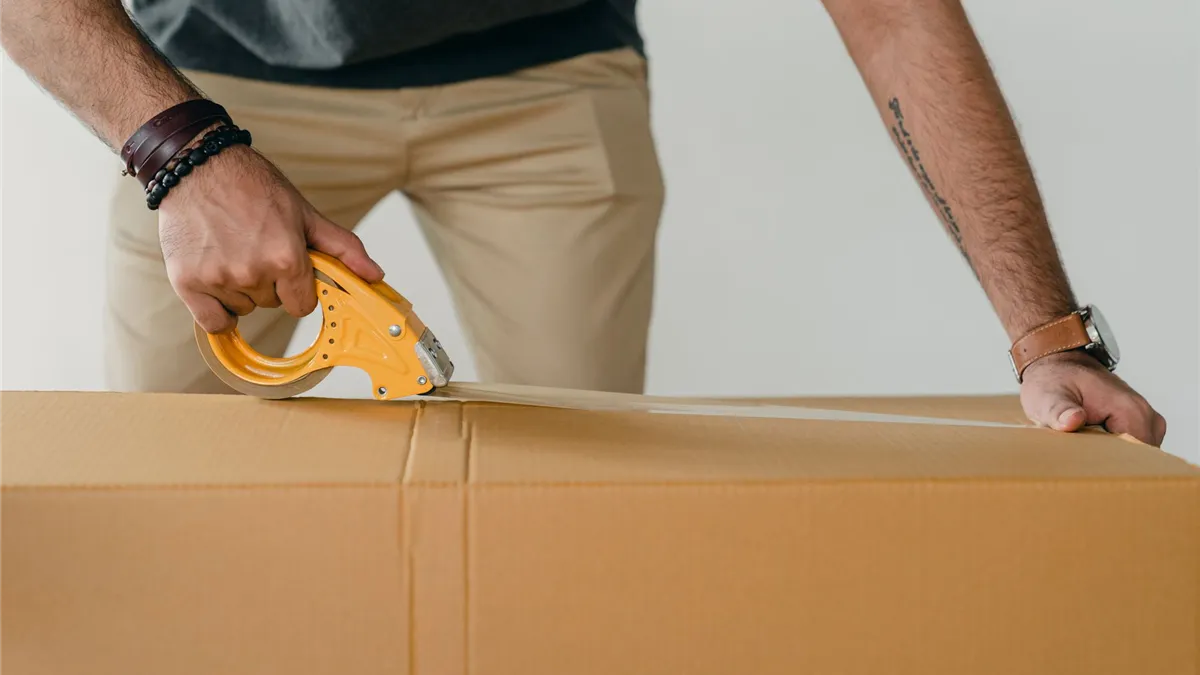
- The small stuff that adds up: boxes and tape, address changes, cleaning the old place, and replacing the food you tossed from the freezer.
For a local move, a single loan of $50–$1,500 can cover the truck, the hookups, and the overlap week outright. For a long-distance or full-service move, people usually borrow money for moving to cover the deposit or the gap your other options leave behind — you rarely need to finance the whole thing.
7 Ways to Cover Moving Costs
There is more than one way to fund a move, and you do not always need to borrow money for moving at all. Here are seven, starting with the ones most people can arrange — weigh cost against timing before you sign anything.
- A small online installment loan. The most direct route for most people: apply through BorrowNow.ca, get matched, verify income by IBV, and receive your funds by e-Transfer. You repay on a set schedule, all within the 35% APR cap.
- Stagger the deposit with your landlord. Some landlords will accept the deposit in two parts, or time the lease start to your payday, if you ask before signing. The worst they can say is no.
- A line of credit or overdraft. If your bank already gave you one, using it for a one-off moving week is usually cheaper than a new loan — watch the fees.
- A credit card. Paying the truck rental or the internet install on a card buys you until the statement due date interest-free. It only works if you can clear the balance soon.
- Employer relocation help. If the move is for work, ask about a relocation allowance or a payroll advance — and keep every receipt, because work moves can carry tax deductions worth real money.
- Borrowing from family. A short, clearly-agreed loan from someone you trust can be the cheapest option of all — put the repayment date in writing.
- Sell before you pack. Every couch, bed frame, or appliance you sell is money in and weight off the truck — shrinking both sides of the moving bill at once.
How to Borrow Money for Moving Online
Borrowing through BorrowNow.ca is built to be simple when the date is set and the quotes are in. The steps to borrow money for moving online:
- Apply online in about 5 minutes with your basic details and the amount you need.
- Get matched with a lender in our Canadian network suited to your profile.
- Verify your income with IBV — a read-only, ~60-second bank connection that confirms your pay without a credit-score hit.
- Receive funds by Interac e-Transfer, frequently the same business day, so the truck deposit and the hookup fees are covered before moving day.
Because everything is digital, you can borrow money for moving between packing boxes — plenty of people apply the week the quotes come in and repay over the first paycheques at the new address.
Who Can Borrow Money for Moving?
Eligibility is straightforward. To borrow money for moving through BorrowNow.ca’s network, you generally need to be:
- At least the age of majority in your province and a Canadian resident
- Earning steady income from full-time or part-time employment
- Holding an active Canadian bank account with payroll deposits
- Reachable by phone and email for verification
Bad credit is considered. Lenders in the network weigh your current income and banking history through IBV more than your credit score alone, so a low score does not automatically rule you out. If your credit has taken some hits, our guide to borrowing money with bad credit explains how income-based approval works.
Get Matched for a Moving Loan →
What It Costs to Borrow Money for Moving
Cost matters most when the loan is small, so read the numbers before you sign. Every loan arranged through BorrowNow.ca’s network is capped at the federal 35% APR criminal interest-rate limit, and the lender discloses your total cost of borrowing — the dollar cost, not just a rate — before you accept. There are no hidden fees on top.
The practical rule when you borrow money for moving: borrow the size of the shortfall, not the size of your approval. A $400 truck-and-hookups gap repaid over your first two paycheques at the new place costs only a few dollars in interest; the same amount stretched over many months costs far more. For a sense of amounts, see our pages on borrowing $500 online or $1,000 online in Canada.

A Real Moving Loan Example, Start to Finish
Picture Marc in Halifax. His landlord sells the building, and he finds a better unit across the harbour in Dartmouth — but the lease starts on the first, nine days before his mid-month pay. The truck rental and fuel come to about $160, the internet install and power transfer add roughly $120, and the overlap week — groceries and gas while last month’s rent is tied up in the old place — needs about $200 of cushion. Total gap: about $480. He decides to borrow money for moving rather than gamble the start date.
He applies through BorrowNow.ca at lunch, is matched with a lender, and completes IBV in under a minute. By late afternoon the funds land by e-Transfer. The truck is booked, the hookups are scheduled, and moving day goes ahead on schedule. When his paycheque arrives at the new address, he repays the loan over two pay periods. Total interest: a few dollars — a fraction of what a missed lease start or a month of paying for two addresses would have cost. The loan did one job: it moved $480 across nine days so the move happened on the day it had to.
The Deposit Overlap: Why Moving Weeks Get Expensive
The most expensive thing about moving is not the truck — it is the overlap, the stretch where the old address still holds your money while the new one demands more. Your last month’s rent or damage deposit at the old place usually comes back after you hand over the keys, but the new landlord wants a deposit before you get yours. That timing mismatch is the gap most people borrow money for moving to cover, and it deserves two honest notes.
First, know your province’s rules: in Ontario the deposit is last month’s rent and it must be applied to your final month; in BC and Alberta security deposits are capped at half a month’s rent and must come back within set timelines with an inspection; in Quebec, deposits generally cannot be demanded at all. Ask for your old deposit or over-held rent back in writing, with your forwarding address, the day you hand over the keys. Second, if the numbers still overlap, a small loan repaid the month the old deposit returns is one of the cleanest borrowing cases there is — the repayment source is literally your own money on its way back. The FCAC’s free budget planner makes it easy to lay the two addresses’ bills side by side so nothing surprises you.
Lower-Cost Ways to Shrink the Moving Bill First
A loan should never be your first call for a plannable expense. Before you borrow money for moving, work through these — each can shrink the invoice or erase the gap:
- Move mid-month or mid-week if you can. Trucks and movers cost the most at month-end; the same job on the 15th, or a Tuesday, often quotes meaningfully lower.
- Hybrid the move. Move the boxes yourself in a borrowed car over a week, and hire help — or the truck — only for the furniture day.
- Ask about staggering the deposit. A landlord who wants a good long-term tenant will sometimes split the deposit across two pay periods if you ask before signing.
- Claim what a work move gives back. If the move is for a job, ask your employer about relocation help — and keep receipts for the tax season; eligible work moves can recover real money.
- Sell the heavy stuff. Anything you sell before packing is cash in and truck-space out — the only line item that pays you twice.
- Collect your old deposit promptly. Written request, forwarding address, day of key handover. It is your money; make it come back on schedule.
If the gap survives all of that, a small, well-planned loan is a reasonable backstop — the FCAC’s guide to personal loans explains the questions to ask any lender before you sign.
Frequently Asked Questions
How much can I borrow for a move?
BorrowNow.ca’s network offers loans from $50 to $50,000. That covers most local moves outright — truck, hookups, and the overlap week — or the deposit gap on a bigger move. Price the move first with two quotes, then borrow the shortfall, not the maximum.
Can I borrow money for moving with bad credit?
Often yes. Lenders in the BorrowNow.ca network weigh your employment income through IBV more than your credit score, so a low score does not automatically disqualify you from borrowing money for a move.
Will applying hurt my credit score?
Applying through BorrowNow.ca does not trigger a hard credit check, so it will not lower your score. A matched lender may run its own assessment, but many focus on income verification via IBV rather than your score alone.
How soon can I get the money for my move?
Often the same business day. After you are approved and IBV confirms your income, funds are sent by Interac e-Transfer — most people who borrow money for moving have it in time to book the truck or cover the deposit before moving day.
Should I borrow for first and last month’s rent?
Only the part you genuinely cannot time around. Deposits are plannable, so save toward them when you have lead time, know your province’s deposit rules, and chase your old deposit in writing. Borrowing works best as a bridge until your own deposit money comes back.
Is a loan or a credit card better for moving costs?
A credit card is fine if you can clear the balance by the statement date. If the cost needs more than one paycheque to absorb, a small installment loan with a fixed schedule and the 35% APR cap is usually easier to manage than a revolving balance.
A moving date that will not wait and a paycheque that arrives after the truck? A short, well-planned loan can carry the move without the stress — just borrow only what your next paycheques can comfortably repay, and work the cost-cutters first. If money is tight beyond moving week, our guides to borrowing for groceries and borrowing for car repairs cover the other costs that hit the same budget.
About the Author
Tony Freanisco — Personal Finance Writer
Tony Freanisco writes about online lending, credit, and small-dollar borrowing for Canadians at BorrowNow.ca. He focuses on helping readers borrow responsibly, understand the cost of credit under Canada’s 35% APR cap, and weigh free options before taking a loan. Read more from Tony Freanisco →
Disclaimer: BorrowNow.ca is not a lender; we connect Canadians with lenders in our network. Loan amounts ($50 to $50,000), rates, terms, and approval are set by the lender and depend on your province and financial situation. All loans are subject to the federal 35% APR criminal interest rate cap. Moving cost figures on this page are general ranges — always get written quotes. Deposit rules vary by province — confirm yours with your provincial tenancy authority. Borrow only what you can afford to repay, and consider lower-cost alternatives such as staggering a deposit, employer relocation help, or trimming the move first.