
By Tony Freanisco, Personal Finance Writer at BorrowNow.ca · Published August 18, 2026 · Last updated August 18, 2026
How secured credit cards work, how the deposit builds your credit, and how to get it back – a clear guide for Canadians with no credit or bad credit. Almost anyone is approved.
At a glance: Deposit sets your limit · Approval for no or bad credit · Reports to Equifax & TransUnion · Deposit is refundable · A path to an unsecured card
Secured credit cards are the most reliable way to build or rebuild credit in Canada. You provide a refundable security deposit that becomes your credit limit, which makes approval possible for almost anyone – no credit, bad credit, newcomer or post-bankruptcy. Used well, a secured card works exactly like a regular card and steadily raises your score. This guide explains how.

On this page
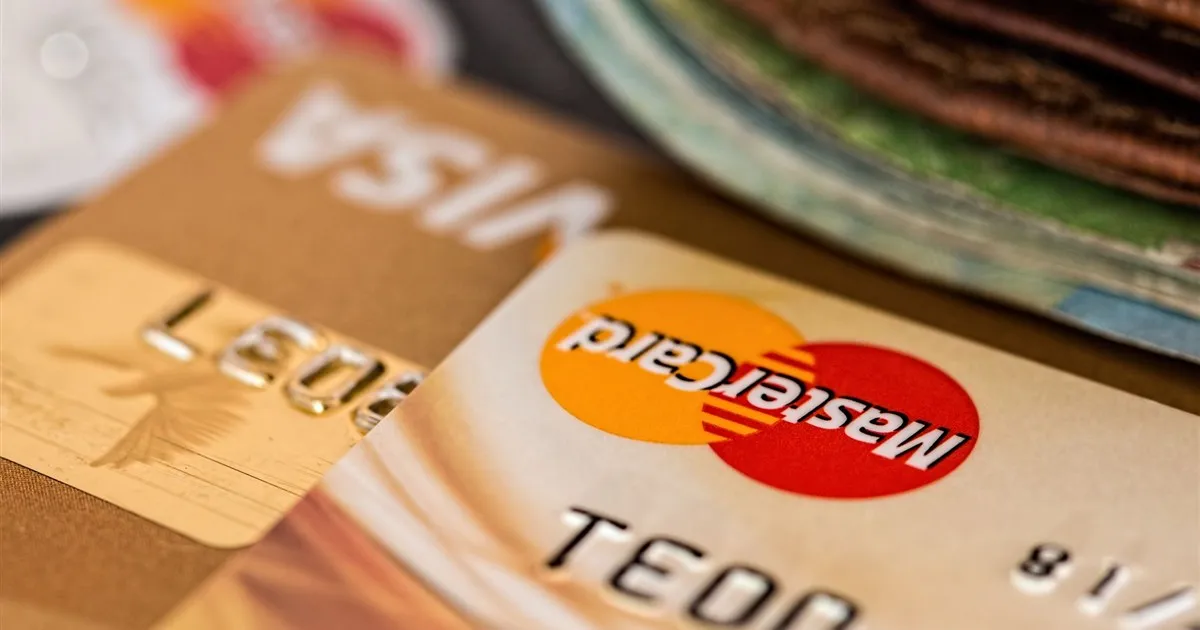
A secured credit card is a real credit card backed by a refundable cash deposit you provide when you open it. That deposit – often equal to your credit limit – protects the issuer, which is why secured cards approve people a regular card would decline. You still spend, repay and get billed like any card; the deposit just sits as security and comes back when you close the card in good standing.

Crucially, secured cards report to Equifax and TransUnion just like unsecured cards, so they build genuine credit history. To anyone but you, a secured card looks and works like any other card.
The deposit is the key feature, and it’s simpler than it sounds:

Think of the deposit as a safety net for the lender, not a prepaid balance – you still pay your statement separately, and that’s what builds your credit.
Because the issuer reports to the bureaus, a secured card builds credit the same way any card does – through your behaviour. Pay on time, keep your balance low, and your score rises. The simple routine that works:
It’s one of the fastest, most dependable ways to establish credit from nothing – see our credit-building guide for the full plan.
The core difference is the deposit. A secured card requires a refundable deposit and approves almost anyone, making it ideal for building or rebuilding. An unsecured card needs no deposit but requires established credit to qualify, and typically offers higher limits, rewards and perks.
The path is simple: start secured, build your credit, then move to an unsecured cashback or rewards card once you qualify. A secured card isn’t a lesser product – it’s the on-ramp. Compare your options in our compare credit cards guide.
Your deposit is refundable. You typically get it back when you close the card with a zero balance in good standing, or when the issuer upgrades you to an unsecured card after a stretch of responsible use. Some issuers review your account automatically and return the deposit as a credit once you qualify.
So the cost of building credit with a secured card is really just the temporary use of your deposit – you get it back, and you keep the stronger credit you built. Check your credit score along the way to see your progress.
A real credit card backed by a refundable cash deposit that usually equals your credit limit. The deposit makes approval possible for almost anyone, and the card reports to the bureaus like any other.
Yes. The deposit is refundable – you get it back when you close the card with a zero balance in good standing, or when you’re upgraded to an unsecured card.
Almost always. Because your deposit secures the card, issuers approve people with no credit, bad credit, newcomer status or a past bankruptcy.
Yes. It reports to Equifax and TransUnion, so on-time payments and low balances build your credit history just like an unsecured card.
No. The deposit is held as security; you pay your monthly bill separately from your own money. That payment is what builds your credit.
Usually after about a year of on-time payments and an improved score. Many issuers will upgrade you and return your deposit once you qualify.
Rebuild your credit, then see your options Explore what you may qualify for with BorrowNow. No obligation, no impact to your credit to compare.
All credit cards · Credit-building cards · Cashback cards · Compare cards · Build credit · Credit score
Disclaimer: BorrowNow.ca is a comparison and education service, not a lender or card issuer. Card features, rates, and approval are set by issuers and can change; figures above are typical ranges, not offers. Interest applies only to balances carried past the due date. Spend only what you can afford to repay.