
By Tony Freanisco, Personal Finance Writer at BorrowNow.ca · Published August 18, 2026 · Last updated August 18, 2026
How a fixed mortgage works, what it costs, and when to choose one over a variable rate – a clear guide for Canadian buyers and renewers. Get matched with a mortgage lender in minutes.
At a glance: Locked rate for the whole term · Predictable, stable payments · Protection from rate hikes · Terms of 1-10 years · Higher break penalty (IRD)
A fixed mortgage locks your interest rate for the entire term, so your payment never changes no matter what happens to interest rates. It’s the most popular choice in Canada because it makes budgeting simple and shields you from rising rates. This guide explains how fixed mortgages work, their pros and cons, and when they’re the right call.

On this page
With a fixed mortgage, your interest rate is set when you sign and stays the same for the length of your term – commonly five years. Both the rate and your regular payment are locked, so you know exactly what you’ll pay every month until renewal. The five-year fixed is the benchmark product in Canada, though terms range from one to ten years.

Because the lender takes on the risk of rate changes during your term, a fixed rate is usually a little higher than the variable rate on offer at the same time. You’re effectively paying a small premium for certainty – and for many borrowers, that peace of mind is worth it.
Your fixed rate applies for the term – the length of your mortgage contract – while the loan is paid down over a longer amortization, usually 25 years. When the term ends, you renew the remaining balance at whatever rates are available then, choosing a new term and rate type.
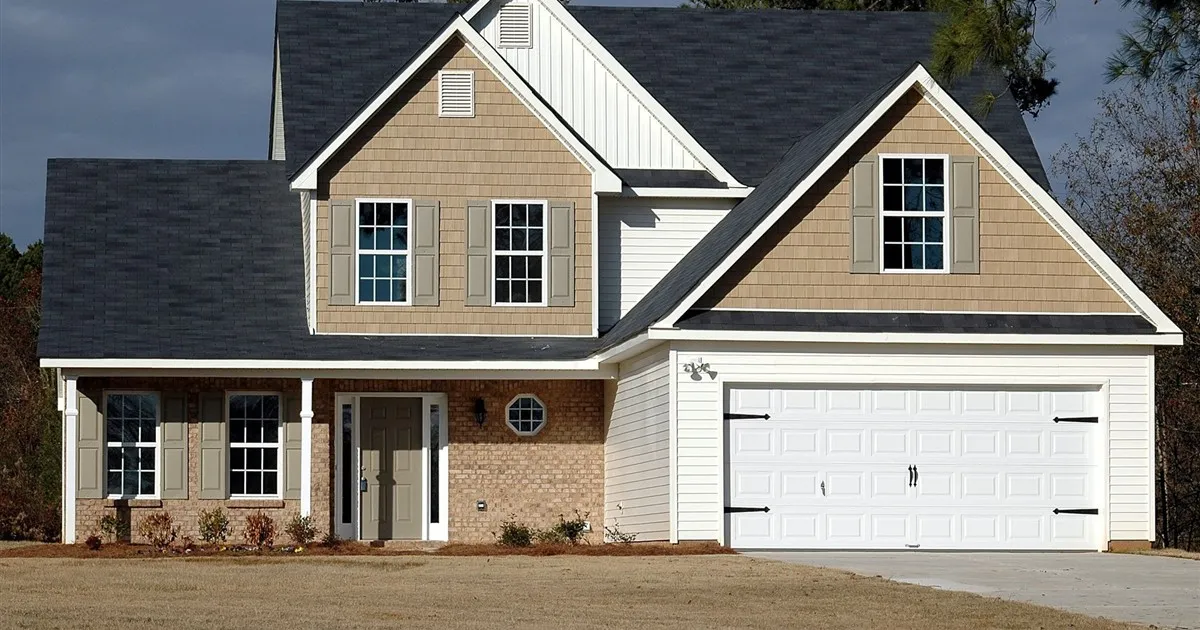
Each payment covers interest plus a portion of principal. Early in the amortization, more of your payment goes to interest; over time, more goes to principal. Most fixed mortgages also include prepayment privileges – the ability to pay extra (often 10-20% a year) or increase your payment – which lets you pay down the balance faster and save interest without penalty.
A fixed mortgage trades a little flexibility for a lot of certainty. The trade-offs:
The classic decision in Canadian mortgages is fixed versus variable. A fixed mortgage locks your rate and payment; a variable rate moves with the lender’s prime rate, so it can start lower and drop if rates fall – but it can also rise. Historically variable has often cost less over time, but it comes with uncertainty that not every budget can absorb.
Choose fixed if you value stability, are buying at the top of your budget, or expect rates to climb. Lean variable if you can handle payment swings and want to bet on rates holding or falling. Many lenders also offer hybrid options that split your mortgage between the two.
If you break a fixed mortgage before the term ends – to sell, refinance or switch lenders – you’ll usually pay a penalty. For fixed mortgages this is typically the greater of three months’ interest or the interest rate differential (IRD), which can be substantial, especially if rates have fallen since you signed.
It’s worth understanding how your lender calculates the IRD before you sign, and asking about portability – the ability to carry your mortgage to a new home without breaking it. If you think you may move or refinance mid-term, that flexibility can matter as much as the rate itself.
A fixed mortgage is a strong fit for first-time buyers, anyone on a tight budget, and borrowers who simply sleep better knowing their payment won’t change. Because lenders price fixed rates differently, comparing offers is the single best way to get a good one. The Financial Consumer Agency of Canada has helpful tools for understanding the total cost.
Instead of applying to lenders one at a time, BorrowNow matches you with fixed mortgage options from licensed Canadian lenders so you can compare in one place. Tell us what you need and see what’s available to you.

A fixed mortgage locks your interest rate for the entire term, so your payment stays the same regardless of what happens to interest rates. The five-year fixed is the most common term in Canada.
Fixed offers stability and protection from rate increases, usually at a slightly higher starting rate. Variable can be lower but moves with prime. The best choice depends on your budget and tolerance for change.
Usually the greater of three months’ interest or the interest rate differential (IRD), which can be large if rates have dropped since you signed. Ask your lender how it’s calculated before signing.
Yes. Most fixed mortgages include prepayment privileges that let you pay extra each year or increase your payment without penalty, which reduces your balance and total interest.
Terms range from one to ten years; five years is the benchmark. Shorter terms can offer lower rates but more frequent renewals, while longer terms lock your rate for longer.
Compare multiple lenders, get pre-approved, bring a larger down payment and a clean credit history, and weigh fees and prepayment terms – not just the headline rate.
Ready to compare fixed mortgage rates? Get matched with licensed Canadian mortgage lenders. No obligation, no pressure.
Variable mortgages · HELOC · Private mortgages · Mortgage refinancing · Fixed vs variable
Disclaimer: BorrowNow.ca is a matching service, not a lender or mortgage broker. Rates, terms, and approval are set by licensed Canadian lenders and depend on your credit, income, down payment, and property. Mortgage rules summarized here reflect published federal guidance and can change; confirm current details with your lender or CMHC. Borrow only what you can afford to repay.