
By Tony Freanisco, Personal Finance Writer at BorrowNow.ca · Published August 18, 2026 · Last updated August 18, 2026
What’s on your credit report, how to get it free, how to read it, and how to fix errors – a clear guide for Canadians. Plus how your report affects borrowing.
At a glance: Your borrowing history · Accounts, balances & payments · Inquiries & public records · Free from both bureaus · Different from your credit score
Your credit report is the record of how you’ve borrowed and repaid money in Canada. Lenders read it every time you apply for credit, so knowing what’s on it – and keeping it accurate – directly affects whether you’re approved and at what rate. The good news: you can check your own credit report for free, as often as you like, with no impact. This guide explains how.

On this page
A credit report is a detailed summary of your credit history, compiled by Canada’s two credit bureaus, Equifax and TransUnion. It lists your credit accounts, how much you owe, your payment history, and who has checked your credit. Lenders, landlords and some employers may look at it to judge how reliably you handle credit.
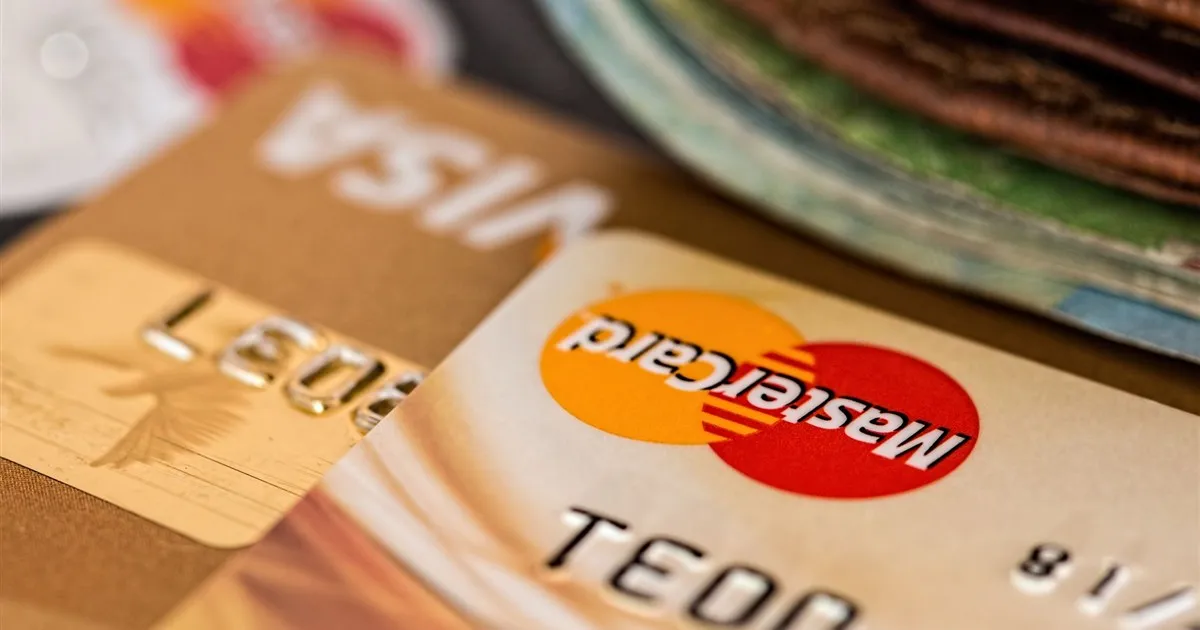
It’s worth knowing that your two reports can differ, because not every lender reports to both bureaus. That’s why it’s smart to check both. Your report is also separate from your credit score – the report is the raw history, and the score is a number calculated from it.
A Canadian credit report generally includes:

Most negative information stays on your report for about six to seven years, while positive history can remain longer – which is why consistent, on-time payments pay off over time.
You have the right to see your own credit report for free. You can request it directly from Equifax Canada and TransUnion Canada, and many banks and free apps now show it too. Checking your own report is a “soft” inquiry – it never lowers your score, no matter how often you look.
It’s a good habit to review your report at least once a year – and before any big application like a mortgage or car loan – so you can fix problems before a lender sees them. The Financial Consumer Agency of Canada explains your rights in plain language.
Errors on a credit report are more common than people think, and they can cost you an approval or a better rate. When you review yours, watch for:
If you spot a mistake, you can dispute it free with Equifax or TransUnion, which must investigate and correct genuine errors. Fixing an error can give your score a quick, legitimate lift – one of the easiest credit wins available.
People often mix these up. Your credit report is the detailed history; your credit score is a three-digit number (in Canada, usually 300-900) calculated from that history to summarize your credit health at a glance. Lenders use both – the score for a quick read, the report for the details behind it.
Keeping your report accurate and your payments on time is what lifts your score over time. If you’re rebuilding, see our guides on building credit and your credit score. And when you’re ready to borrow, BorrowNow can match you with options based on your full picture, not just a number.

It’s a detailed record of your credit history kept by Equifax and TransUnion – your accounts, balances, payment history, inquiries and any public records. Lenders use it to decide whether to approve you.
Request it directly from Equifax Canada and TransUnion Canada, or view it through many banks and free apps. Checking your own report is a soft inquiry that never affects your score.
No. Viewing your own report is a soft inquiry with no impact. Only a “hard” inquiry, when you apply for credit, can affect your score slightly.
The report is your full credit history; the score is a three-digit number (usually 300-900 in Canada) calculated from that history. Lenders use both.
Dispute it free with Equifax or TransUnion. They must investigate and correct genuine errors, which can give your score a quick, legitimate boost.
Most negative information remains about six to seven years, while positive history can stay longer – which is why consistent on-time payments help over time.
Know your credit, then explore your options See what you may qualify for with BorrowNow. No obligation, no impact to your credit to compare.
Credit score · Build credit · Secured credit cards · Credit cards · Bad credit loans · Personal loans
Disclaimer: BorrowNow.ca is an education and matching service, not a credit bureau or lender. Credit scoring practices are set by Equifax, TransUnion, and individual lenders and can change. Nothing here guarantees any score outcome.