
By Tony Freanisco, Personal Finance Writer at BorrowNow.ca · Published August 18, 2026 · Last updated August 18, 2026
How to build credit from scratch or rebuild it, the steps that work, and the mistakes to avoid – a clear guide for Canadians. Stronger credit means better borrowing.
At a glance: Pay every bill on time · Keep balances low · Start with a secured card · Let your history age · Check your report regularly
Credit building is the process of creating – or repairing – a credit history that lenders trust. Whether you’re starting from zero, new to Canada, or recovering from past trouble, the steps are the same and genuinely simple. Strong credit unlocks easier approvals, lower rates and better terms on everything from cards to mortgages. This guide shows you exactly how to build it.

On this page
Credit building means using credit responsibly over time so the credit bureaus – Equifax and TransUnion – record a positive history that raises your credit score. Every on-time payment and well-managed account is a small deposit into your credit reputation. There’s no overnight trick; it’s steady, consistent habits that compound, much like saving money.

It applies to two groups: people with no credit history who need to establish one, and people with damaged credit who are rebuilding. The approach overlaps heavily, and both can see real progress within months.
Your credit affects far more than loan approvals. Strong credit can mean:

In short, good credit makes life cheaper and simpler. The effort you put into building it pays back for years.
These proven steps work whether you’re starting fresh or rebuilding:
Automate your payments so you never miss one – it’s the easiest way to protect the most important factor in your score.
If you have no credit history – you’re young, new to Canada, or have always paid with cash and debit – you simply need to start. Your credit history doesn’t transfer from another country, so newcomers begin fresh. A secured credit card, where you provide a deposit as your limit, is the most reliable starting point and reports to the bureaus like any card.
Use it for a small recurring expense, pay it off in full each month, and within several months you’ll have a real Canadian credit history. Newcomers can pair this with a newcomer bank account to get established quickly.
A few common missteps quietly hold people back:
Avoid these, stay consistent, and your score will climb. As it does, BorrowNow can match you with borrowing options that fit your improving profile – with no impact to your credit to compare.
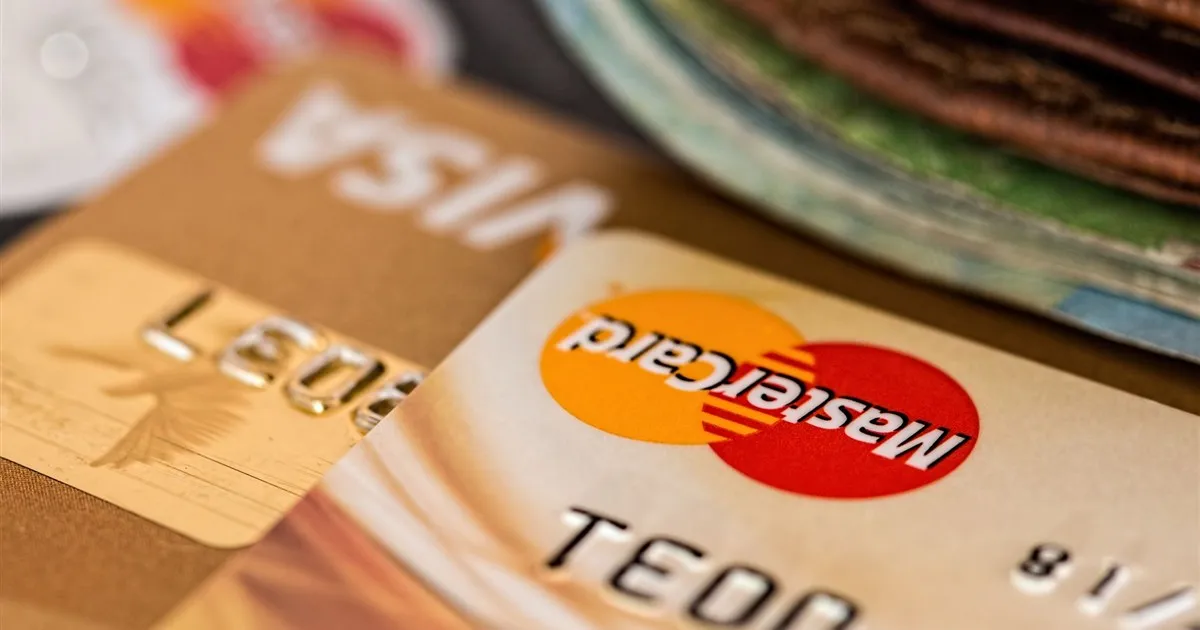
Get a credit product you can qualify for – often a secured credit card – use it for small purchases, and pay it off in full and on time every month. That history, reported to the bureaus, builds your credit.
You can establish a credit history within a few months of responsible use, though a strong score takes longer. Consistency over time is what matters most.
Payment history. Paying every bill on time is the single biggest driver of your score, so automate payments so you never miss one.
No. Debit draws your own money, so it isn’t reported as credit. You need a credit product like a card or loan to build credit history.
Yes. Credit history doesn’t transfer, so newcomers start fresh – usually with a secured card. Used responsibly, it builds a Canadian credit history within months.
Be cautious. No one can legally remove accurate information from your report. The reliable path is on-time payments, low balances and disputing genuine errors yourself for free.
Building credit? See what you qualify for Explore your options with BorrowNow. No obligation, no impact to your credit to compare.
Credit report · Credit score · Secured credit cards · Credit cards · Newcomer accounts · Bad credit loans
Disclaimer: BorrowNow.ca is an education and matching service, not a credit bureau or lender. Credit scoring practices are set by Equifax, TransUnion, and individual lenders and can change. Nothing here guarantees any score outcome.